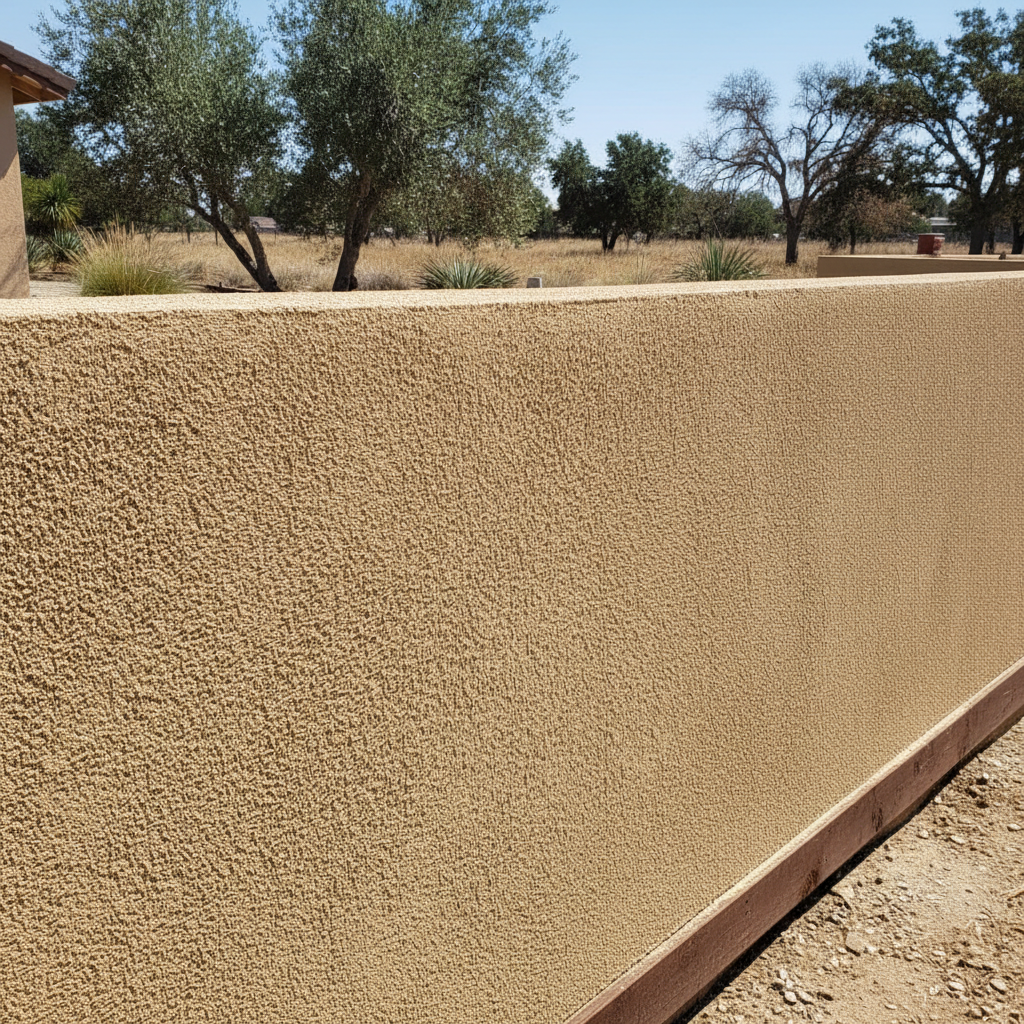
What's the deal with stucco redashing? I get asked about this a lot, probably because it's one of those terms that gets thrown around, but not everyone really knows what it means or if it's the right move for their home. As a contractor who's been doing this in Clovis for years, I've seen it all. So, let's clear up some of the confusion and answer the questions I hear most often, shall we?
What exactly is stucco redashing? Isn't it just painting?
No, it's definitely not just painting. Painting is just putting a new color on top of what's already there. Redashing, on the other hand, means we're applying a new, thin layer of stucco finish coat right over your existing stucco. It's like giving your house a fresh skin, not just a new outfit. We're talking about a real cement-based product that sticks to the old surface, not just a pigment. It can cover minor imperfections, change the texture, and give your home a whole new look and feel without tearing everything off.
When should I even consider redashing instead of a full replacement?
You should consider redashing when your existing stucco is structurally sound but looks tired, faded, or has a lot of small, hairline cracks. If you've got big cracks, loose stucco, or water intrusion issues, redashing isn't going to fix those underlying problems. It's a cosmetic and protective upgrade for healthy stucco. Think of it this way: if your car's paint is dull, you repaint it. If the body's rusted out, you don't just repaint; you fix the rust first. Same principle here. If your stucco is falling apart, we need to talk about replacement, not just redashing.
What kind of prep work is involved before you can redash?
Prep work is everything with redashing, maybe even more important than the actual application. First, we'll clean the existing stucco thoroughly, usually with a power washer, to get rid of all the dirt, grime, and loose paint. Any existing cracks, even small ones, need proper filling and patching. We'll also check for areas where the stucco might be delaminating or hollow; those need to be repaired or removed. Sometimes, we'll apply a bonding agent to make sure the new dash coat sticks perfectly. Skipping the prep means the new coat won't last, and that's just a waste of your money.
Can redashing change the texture of my stucco?
Absolutely, yes! That's one of the big advantages of redashing. If you've got a really rough, heavy lace texture and you want something smoother, or vice versa, redashing is how you do it. We can go from a sand finish to a dash, a Santa Barbara smooth to a fine lace, or anything in between. It's a great way to update the look of your home without the cost and mess of a full tear-off. Just tell us what you're going for, and we can usually make it happen with the new finish coat.
How long does a redashed stucco finish typically last in our Clovis climate?
A properly redashed stucco job, done right with quality materials, should last you a good 15-25 years, maybe even longer. Our Clovis weather, with those hot summers and occasional heavy rains, can be tough on exteriors. The key is that 'done right' part. Good prep, quality materials, and skilled application are crucial. If it's done poorly, you'll see issues much sooner. The finish coat is your home's first line of defense against the elements, so you want it to be durable and well-applied. That's what we focus on at Top Line Clovis Stucco.
Will redashing help with my home's insulation or energy efficiency?
Not significantly, no. While adding a thin layer of stucco might provide a tiny, almost negligible increase in thermal mass, it's not going to make a noticeable difference in your energy bills or insulation value. Stucco's primary role is weather protection and aesthetics. If you're looking to improve insulation, you'd need to consider other upgrades like adding insulation to your walls, attic, or upgrading windows. Don't get me wrong, a solid, intact stucco finish does protect your existing insulation from moisture, which helps it perform better, but the redash itself isn't an insulating layer.
What's the typical timeframe for a redashing project on an average Clovis home?
For an average-sized single-story home here in Clovis, you're usually looking at about 3 to 7 days from start to finish. This includes all the prep work – cleaning, patching, masking – then applying the new finish coat, and finally, cleanup. Larger homes or homes with more complex architectural details, like those in the Old Town area with lots of nooks and crannies, will naturally take longer. Weather plays a role too; we need dry conditions for the stucco to cure properly. We'll always give you a clearer timeline once we've seen your specific house.
Is redashing a good option if I'm planning to sell my home soon?
It can be a fantastic option if your existing stucco looks tired but is otherwise in good shape. Redashing offers a significant curb appeal boost for a fraction of the cost of a full replacement. A fresh, clean, updated exterior can make a huge difference in how quickly your home sells and for what price. Buyers often make a judgment within seconds of seeing a house, and a crisp, new stucco finish gives a great first impression. It's a smart investment for maximizing your home's market value without breaking the bank.