Thinking About New Stucco? Here's the Deal.
So, you're looking at your home and thinking about new stucco. Maybe it's a repair, maybe it's a whole new look. It's a big project, no doubt about it, and you're probably wondering what you can handle yourself and when it's time to bring in someone like us at Top Line Clovis Stucco. Let's break it down.
Before You Even Think About Mixing Mud
Preparation is key, and this is where you, the homeowner, can really save some money and make a difference. Don't skip these steps, seriously.
Clear the Area: Get everything away from the walls. Plants, patio furniture, grills, anything that's going to be in the way. You don't want stucco splatters on your prize-winning roses or your new BBQ.
Protect Surfaces: Cover windows, doors, and anything else you don't want stucco on with plastic sheeting and painter's tape. Don't cheap out on the tape; good quality stuff prevents bleed-through. Lay down tarps or drop cloths on the ground around the house. Stucco dust and drips are a pain to clean up from concrete or pavers.
Inspect Your Sheathing: This is crucial. If you're going down to the bare studs or replacing siding, make sure your sheathing (plywood or OSB) is solid. Any rot or damage needs to be fixed before anything else happens. You're building a waterproof system, and it starts with a good foundation.
Understand Your Walls: What's underneath your current finish? Wood, concrete block, old stucco? This dictates the type of lath and paper you'll need. If you're going over existing stucco, you'll need to assess its condition. Cracks, delamination, or signs of moisture mean you might need to chip it all off first.
The Nitty-Gritty: What You Can DIY (and What You Probably Shouldn't)
Alright, let's talk about the actual work. Some parts are more homeowner-friendly than others.
DIY-Friendly Tasks:
Applying Building Paper and Lath: If you're patient and good with a staple gun, you can absolutely put up the building paper (usually two layers) and then the metal lath. Make sure you overlap correctly and staple it tight. This is where you create the base for your stucco and your moisture barrier. It's tedious, but not technically difficult. Just follow the manufacturer's instructions for overlaps and fastening schedules.
Mixing Stucco: You can mix stucco yourself, especially if you're doing a small repair. Get a good paddle mixer and a sturdy bucket. Follow the bag's instructions for water ratios. Consistency is key – you want it like thick peanut butter, not soup and not concrete.
Patching Small Areas: For minor cracks or small holes, you can definitely patch these yourself. Clean out the crack, apply a bonding agent if needed, and then trowel in new stucco. Feather the edges so it blends in.
When to Call a Pro (Seriously, Don't Skimp Here):
Full Wall Application: Applying stucco to an entire wall or house is an art and a science. Getting a consistent thickness, a smooth or even texture, and making sure it's all plumb and level? That takes years of practice. You've got three coats – scratch, brown, and finish – and each one needs to be right. If the scratch coat isn't good, the brown coat won't be, and your finish will look terrible. Plus, you're working with heavy materials overhead, often on ladders or scaffolding. It's dangerous and physically demanding.
Waterproofing Details: Flashing around windows, doors, and at the foundation is critical. If this isn't done perfectly, you're inviting water intrusion, which can lead to dry rot and mold. That's a much bigger problem than an ugly wall. We see this all the time in older Clovis homes, especially those built in the 70s and 80s with less stringent building codes.
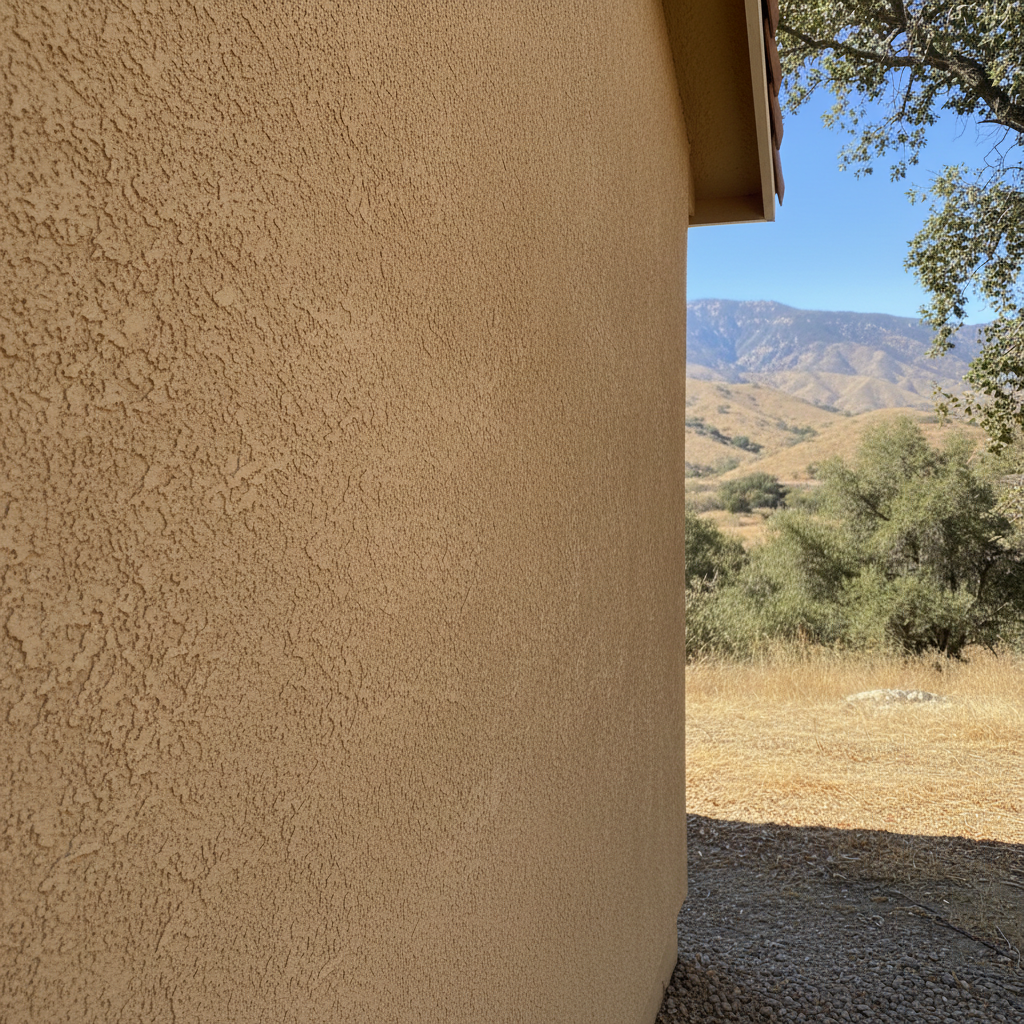
Matching Existing Texture: If you're patching a large area and need it to blend seamlessly with existing stucco, a pro has the tools and experience to match textures like a Santa Barbara, dash, or smooth finish. It's harder than it looks.
Any Structural Concerns: If you're dealing with walls that aren't straight, or if you suspect any underlying structural issues, call in a general contractor or structural engineer first. Stucco isn't going to fix a leaning wall.
After the Stucco Goes On
Once the stucco is up, your job isn't quite done. Curing is super important, especially with our hot Clovis summers. Stucco needs to cure slowly to gain strength and prevent cracking. That means keeping it damp for several days, sometimes up to a week, by misting it with water. Don't let it dry out too fast. Then, just keep an eye on it. Look for any hairline cracks that might appear over time. Small ones are normal, but bigger ones might need attention. A fresh coat of paint every 10-15 years will also help protect it and keep it looking good.
The Bottom Line
You can definitely handle some of the prep work and smaller repairs, saving yourself some cash. But for the actual application of stucco on large areas, especially if you want it to look good and last for decades, bringing in a professional team like Top Line Clovis Stucco is almost always the smarter move. We've got the tools, the experience, and the know-how to get it done right the first time.