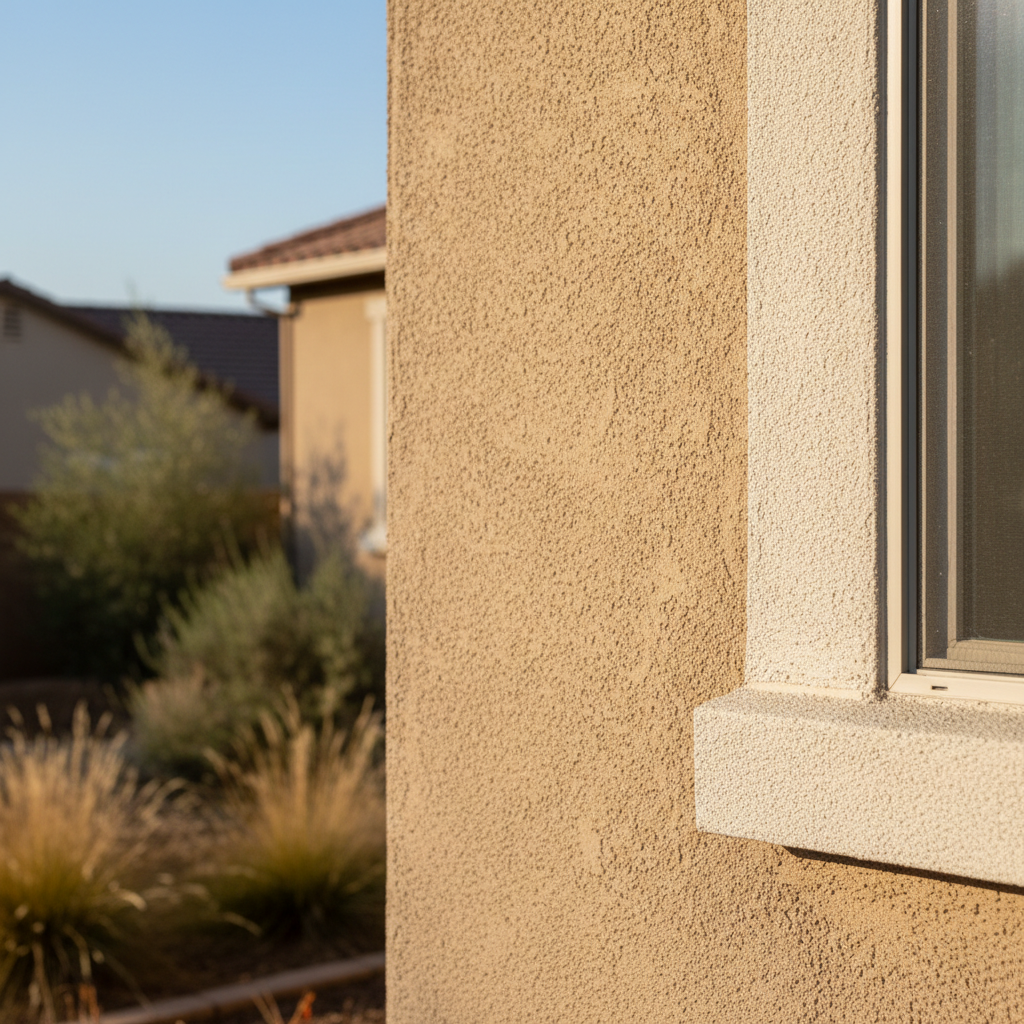
Alright, let's talk EIFS. You might've heard of it as 'synthetic stucco' or maybe just seen it on some newer commercial buildings around Clovis. It's definitely not your grandma's traditional stucco, that's for sure. EIFS stands for Exterior Insulation and Finish System, which is basically a fancy way of saying you're getting insulation and a finish coat all in one go. It's got some real benefits, especially with our hot summers here in the Central Valley, but it also comes with its own set of rules.
Before You Even Think About EIFS
First off, is EIFS right for your house? It's great for saving energy because that insulation board really does its job. Plus, it's super flexible when it comes to design – you can get all sorts of textures and colors. But it's not a 'slap it on and forget it' kind of deal. Getting it installed correctly is absolutely critical, probably even more so than with traditional stucco, because managing water is everything with this stuff.
You really need to understand the layers involved. We're talking about a water-resistive barrier (WRB) over your sheathing, then an adhesive, then the insulation board (usually expanded polystyrene, or EPS), then a base coat with a fiberglass mesh embedded in it, and finally, the finish coat. Each layer has to be done right, or you're asking for trouble down the road. Water getting behind EIFS that isn't put in properly? That's a homeowner's nightmare, leading to rot and mold you can't even see until it's a huge problem.
For homeowners in Clovis, especially those with older homes that might not have the best insulation, EIFS can really change your energy bills for the better. But please, do your homework on the system itself. Don't just pick the cheapest option, okay?
What You Can (Maybe) Do Yourself
Look, I'm a contractor, so I'm usually going to tell you to hire a pro for something as complex as EIFS. But I also know folks like to save a buck and get their hands dirty. So, what parts of an EIFS project could a determined DIYer realistically tackle?
- Surface Prep: You can definitely handle getting the existing walls clean, removing old fixtures, and making sure the surface is sound. This means scraping loose paint, power washing, and patching any major holes.
- Demolition (if needed): If you're removing old siding or stucco, that's labor you can do. Just be careful and make sure you're not dealing with asbestos if your house is old enough.
- Minor Repairs to Substrate: If your sheathing has small issues, you might be able to patch it up. But if it's widespread water damage, you're getting into structural territory, and that's a pro job.
- Cleanup: After the pros leave, you can always handle the final cleanup, hauling away debris, and making the yard look good again.
That's about it, honestly. Anything involving the actual EIFS layers – the WRB, the adhesive, cutting and applying the insulation board, the base coat, the mesh, the finish coat – that's where you really need experience and specialized tools. This isn't like painting a room. There's a steep learning curve, and mistakes are costly.
When to Call Top Line Clovis Stucco (or another Pro)
Pretty much everything involving the actual EIFS system. I'm not trying to scare you, but this isn't a weekend warrior project. Here's why you need a professional:
- Water Management: This is the most important part. Pros know how to properly install the WRB, flash around windows and doors, and create proper drainage planes. Our Clovis rains might not be constant, but when they hit, they can be heavy, and you definitely don't want water sitting behind your walls.
- Adhesive Application: Getting the right coverage and thickness for the adhesive that holds the insulation board is crucial. Too little, and it won't hold; too much, and it's a mess.
- Insulation Board Installation: Cutting and fitting these boards perfectly, ensuring no gaps, and proper staggering is key to both insulation performance and a smooth finish.
- Base Coat and Mesh: This is where the system gets its impact resistance. Applying the base coat evenly and embedding the fiberglass mesh without wrinkles or bubbles takes practice and the right tools.
- Finish Coat: Achieving a consistent texture and color across an entire wall is an art form. You don't want blotchy walls or uneven textures. It's not just about looking good; it's about protecting the layers underneath.
- Specialized Tools: We've got the right sprayers, trowels, and safety gear. You'd spend a fortune buying them for a one-time job.
- Warranties and Experience: A reputable contractor, like us at Top Line Clovis Stucco, stands behind our work. We've seen all sorts of houses, from the older homes near Old Town Clovis to the newer builds out by Loma Vista, and we know how to handle different substrates and conditions.
After the EIFS Project is Done
Once your EIFS is installed, you'll want to maintain it. It's not maintenance-free, but it's not super high-maintenance either. Keep an eye out for cracks, especially around windows and doors, and get them fixed quickly. Wash it periodically with a mild detergent and a soft brush or low-pressure washer to keep it looking fresh. Don't let sprinklers constantly hit the walls, as that can lead to algae growth over time.
Properly installed EIFS can last for decades and really boost your home's energy efficiency and curb appeal. Just make sure you're making smart choices about who does the work.