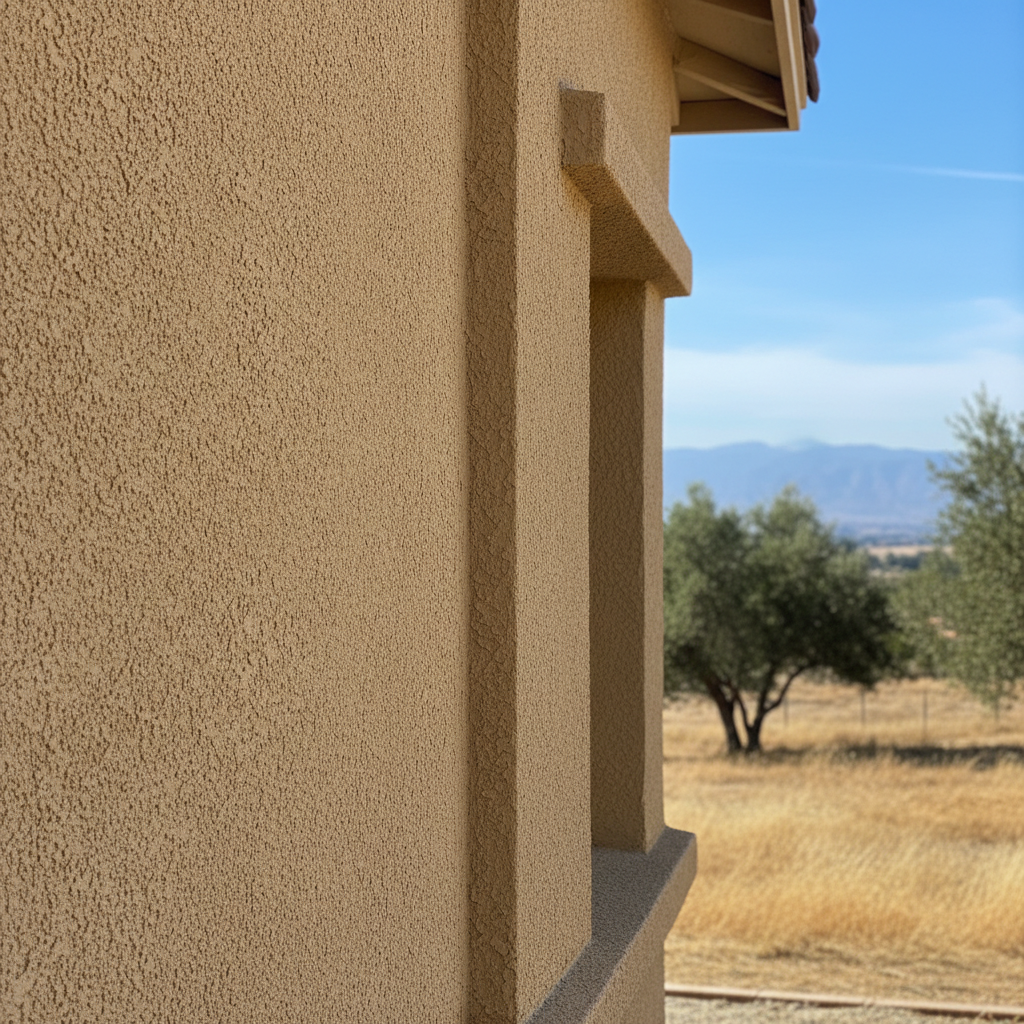
Alright, let's talk EIFS. You've probably seen it around town, maybe even on some of the newer builds out by Loma Vista or those custom homes near Old Town. It looks good, right? Smooth, modern, and offers some serious insulation benefits. But before you jump in, there's a lot you gotta understand about Exterior Insulation and Finish Systems.
What Even Is EIFS? And Why Clovis?
EIFS isn't your grandma's stucco, though it often gets confused with it. Traditional stucco is cement-based; EIFS is a multi-layered system that starts with insulation board (usually expanded polystyrene, EPS) attached to your sheathing. Then comes a base coat with a reinforcing mesh embedded in it, and finally, a textured finish coat. The whole thing is designed to create a continuous thermal barrier on the outside of your house.
Why does that matter here in Clovis? Well, you know our summers. They're brutal. Keeping that heat out, or the AC in, makes a huge difference in your energy bills. EIFS can be a real game-changer for thermal performance. Plus, it offers a ton of aesthetic flexibility, from smooth modern looks to finishes that mimic stone or brick.
Before You Even Think About Starting: The Prep Work
This isn't a weekend warrior project for most folks, especially not the full installation. But there are things you absolutely need to know and consider upfront. First off, EIFS requires a solid, dry substrate. Any existing moisture issues, rot, or structural problems? You gotta fix those first. Seriously, don't put EIFS over a problem, you're just asking for bigger headaches down the road. We see it all the time when folks try to cut corners.
You'll also need to think about proper flashing around windows, doors, and any penetrations like dryer vents or hose bibs. This is critical for preventing water intrusion, which is where EIFS can get a bad rap if it's not installed correctly. Water management is paramount. If you're not confident in your flashing skills, that's a definite 'call a pro' moment.
Another thing: permits. For any significant exterior renovation in Clovis, you're probably going to need one. Check with the city's building department. Don't skip this step; it can save you a lot of grief later.
What You Can (Maybe) Do Yourself vs. When to Call Top Line Clovis Stucco
Okay, let's be realistic. Can a homeowner install EIFS? Technically, yes, if you're incredibly handy, patient, and have done your homework. But it's a complex system that requires precision and specific techniques to ensure durability and prevent water issues. Here's my breakdown:
- DIY Friendly (with caveats):
- Surface Prep: Cleaning the existing walls, removing old trim, making minor repairs to the substrate. This is usually manageable.
- Material Handling: Unloading and organizing materials. Just be careful, those insulation boards can be bulky. - Proceed with Extreme Caution (or just hire us):
- Insulation Board Attachment: Getting the adhesive right, ensuring a flat plane, and proper mechanical fastening. Gaps or unevenness here will show through the finish.
- Base Coat and Mesh Application: This is where the waterproofing really happens. It needs to be uniform, and the mesh has to be perfectly embedded. Any wrinkles or thin spots? You're compromising the system.
- Finish Coat Application: Achieving a consistent texture and color takes skill and experience. It's not like painting a wall; you often have to work quickly and seamlessly to avoid visible seams or blotches. - Definitely Call a Pro:
- Flashing Installation: I can't stress this enough. Proper flashing is the backbone of a watertight EIFS system. If it's done wrong, you'll have problems.
- Complex Architectural Details: Arches, curves, intricate trim work – these are tough to get right without specialized tools and know-how.
- Large Scale Projects: Covering an entire house is a massive undertaking. The sheer amount of work, coordination, and potential for error makes it a job for experienced crews.
Honestly, for the peace of mind and the longevity of your investment, especially with our intense Central Valley sun and occasional heavy rains, hiring a reputable EIFS contractor like us usually pays off in the long run. We know the ins and outs, the local building codes, and how to make sure it's done right the first time.
After the Installation: Keeping Your EIFS Looking Good
So, you've got your beautiful new EIFS. Now what? Maintenance is pretty straightforward. The main thing is keeping it clean. Dust, dirt, and even mildew can accumulate, especially on north-facing walls that don't get as much sun. A gentle cleaning with a soft brush and mild detergent (like dish soap) and a garden hose is usually all it takes. Don't use a high-pressure washer; you can damage the finish.
Periodically, walk around your house and inspect the EIFS. Look for any cracks, impact damage, or areas where sealants around windows or doors might be failing. Small cracks can often be repaired with an elastomeric sealant designed for EIFS. If you see anything major, or if you notice any signs of water intrusion (like staining or bulging), get it looked at right away. Catching problems early is key to preventing bigger, more expensive repairs.
EIFS is a fantastic system for Clovis homes when installed correctly. It'll boost your curb appeal and help keep your energy bills down. Just make sure you go into it with your eyes wide open about what the project entails.